

COACHES / TEACHING GUIDES / TRAINERS

TEAM CAMP CENTRAL

Leaders become great, not because of their title or power. But because of their ability to empower others.

This will be your HomeBase for all Team member information, administrative needs, training events, Success Squad materials, special Team discounts and announcements. You will also see lots of the same information that our hunters receive. Again, so we all are on the same page. Check back for additions.

Since this is a private page, be sure to bookmark this page to be able to access it . Once you log in with your Team credentials using the menu "Login" link, you will have access to BaseCamp and other menu links not visible when not logged in.

You should have received your Team login information to all features. Email joe@elkbros.com if you have not.

It All Starts Here! Watch these again and again till the info is ingrained. Refresh, recite and go rock the season!

2 Videos
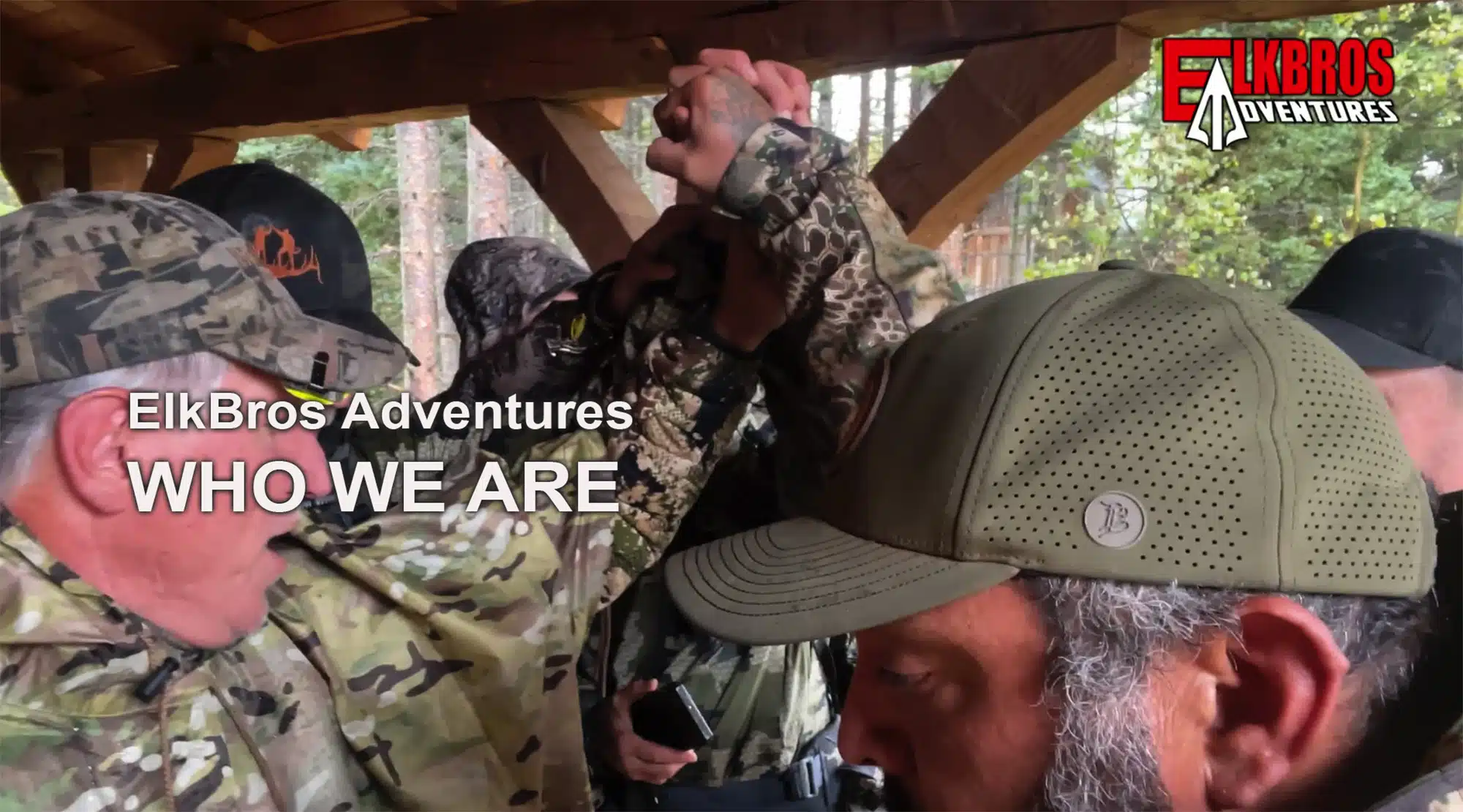
Team ElkBros!

2026 - ElkBros Adventures Coach Summit - August 13th - 16th

Where: Chase Ranch located in Cimarron NM
When: August 13th – 16th, 2026
Schedule:
Thursday, August 13th – Team members arrive in the afternoon/evening… Dinner
Friday, August 14th – Team Training
Saturday, August 15th – Team Training
Sunday, August 16th – Coffee, Closing and departing by noon.

Logistics:
Meals Morning Coffee & Snacks, Lunch & Dinner
Hygiene Bathrooms and showers on site
Lodging Bring your tent, hammock, camper or other system.

PERKS:

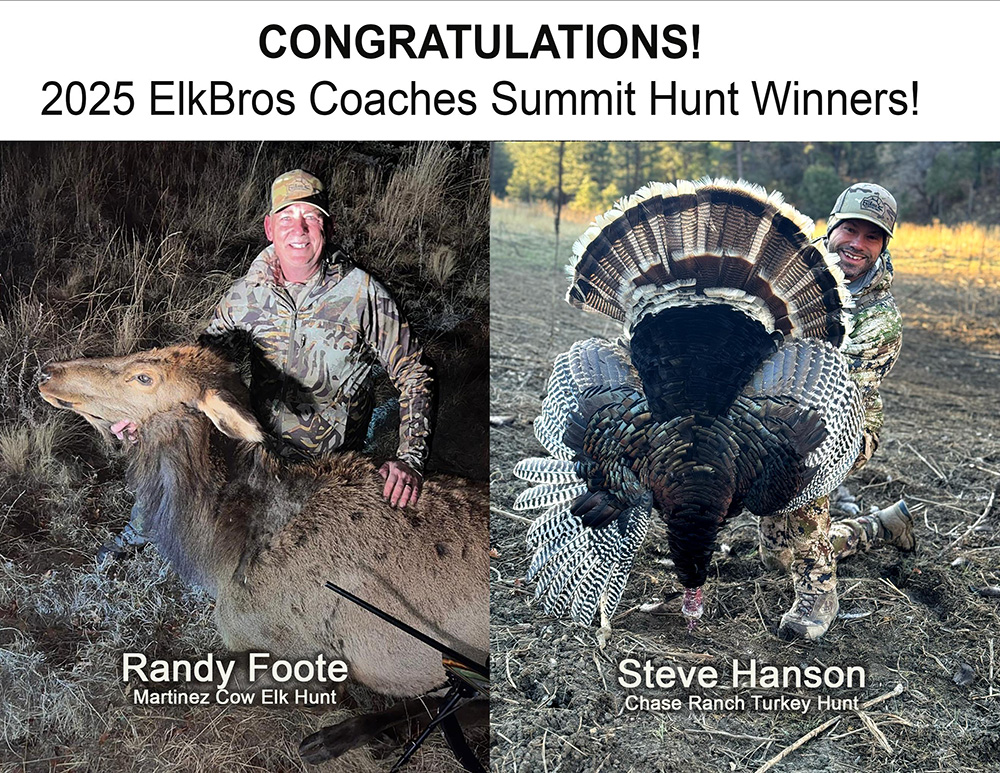
  • All attendees will be put into a team drawing to win a Chase Spring Turkey hunt (2027) or Martinez Cow Elk hunt (2026)
  • Learn the country – We will use different parts of the ranch as well for demos and teamwork.
  • Those that arrive early on Thursday or stay late on Sunday can hike the country and shed hunt till dark.

IF YOU HAVEN’T ALREADY,  PLEASE CLICK THE LINK AND COMPLETE THIS FORM TO LET US KNOW YOUR INTENTIONS:

https://form.jotform.com/250974751144056

TEAM QUESTIONS, ANSWERS,

***2026 REQUIRED PAPERWORK***

First off, this is important to remember: “No matter the type of hunt, at no time should an ElkBros Adventure’s client feel like they are a passenger, as if in the back seat of a vehicle, waiting for someone to get them to a destination.”

There will be a lot of discussion on this as we go, but a great way to understand the difference between a Coach and a Teaching Guide is to use the statement above and clarify further by saying that The goal of the COACH is to get the client in the driver seat. While The goal of the TEACHING GUIDE is to have them in the seat next to them, engaged as a partner in the journey. Yes, you are the driver, but include them in the process, the route, the reasons, AND GIVE THEM RESPONSIBILITIES.

A hunt “Coach” is an innovation never seen or done in this industry. Empowering hunters and not enabling them.
A hunt “Teaching Guide” is more like the “traditional” guide model, but at a much higher experience level for the hunter. 

Also, we as Coaches or Teaching Guides work “with” our clients, we don’t work “for” them. By building on the camaraderie, the partnership of their journey throughout any and all of the mentorship, it becomes a win win for all involved.

ElkBros Adventures will only be as good as the people that make up our team. We are surrounding ourselves with people that are passionate about hunting. That want to share that passion to help others learn and have incredible experiences. That are high in character, positive, professional and ride for the brand.

It’s important for you to understand that even though we have a baseline ElkBros philosophy with techniques, strategies, thought processes and ways of doing certain things… the ultimate value of our team is in the special qualities and the differences that each of us bring to the team individually. Yes… we have a plan, we have a way, and we all need to know those so we stay on the same path. But that doesn’t mean our way is the only way. All of us should constantly be learning from each other and from the land and the animals we hunt. We value what each of our team brings to the table. To be the best, we need to work with the best and always look to develop and grow. And we want you to know that each of you are important to that process. 

With that said, here are our team needs:

  • Complete all requires paperwork in the “Required Paperwork” tab above.
  • You need to have your First Aid & CPR certifications. This could save a life or help avoid a tragedy.
  • Know the ElkBros philosophies/strategies/techniques/mindset etc, learned through our BaseCamp Course. This is our baseline. 
  • Always work on your calling. Become the best caller you can.
  • Know the NM proclamation/game laws inside and out. We know them and follow them.
  • It is not required yet, but it’s our goal for all our coaches/teaching guides to have their NM Guide License. If you know the proc, then you can pass the test. There is also pay incentive to have your Guide License. 
  1. 2026-27 GUIDE AVAILABILITY(If not already Completed) Click HERE to complete the form.
  2. 2026-27 W9 FORMEvery Coach/Teaching Guide is an Independent Contractor and will receive a 1099 at the end of the year for tax purposes. That requires you to complete a w9.
    1. Click HERE to complete the form. 

DIRECTIONS:

      • #1 – Your legal name
      • #2 – Blank unless you are a business entity.
      • #3a – Most people will be checking “Individual/Sole proprietor”
      • #5 & #6 – Fill in
      • Part I – If you checked Individual/Sole Proprietor on #1, then you fill in your SS#. If you checked any other business Entity, then you enter your EIN# and not your SS#.
      • Sign, then Accept & Send
      • Close the next window. You do not need to create and account.

3. 2026-27 INDEPENDENT CONTRACTOR AGREEMENTClick HERE to complete the form.

4. 2026-27 INDEPENDENT CONTRACTOR LIABILITY RELEASEClick HERE to complete the form.

5. 2026-27 FIRST AID/CPR CERTIFICATIONS Email your First Aid/CPR Certification document(s) HERE 

6. (For those that have become licensed NM Guides) NM GUIDE LICENSEEmail a photo of your license HERE 

COACHES / TEACHING GUIDES – ELK Adventure Camps & Hunts

ElkBros Coaches/Teaching Guides are paid for the total days of the hunt. There is no penalty for killing early, even if the client leaves. With that said, each hunt is still a team effort and there will be other needs and ways to contribute to the team success.

The descriptions, requirements and general expectations for each of our Team Levels below are still in development. However, our goal is to provide and promote an atmosphere of development and growth

Per Day 5 day hunt 7 day coached
Lev1 Coach/TGuide
$250
$1250
$1250 (5 days Coaching)
Lev1 Coach/TGuide w/NM Guide License
$300
$1500
$1500 (5 days Coaching)
Lev2 Coach/TGuide
$300
$1500
$1500 (5 days Coaching)
Lev2 Coach/TGuide w/NM Guide License
$350
$1750
$1750 (5 days Coaching)
Hunt Team Leader (TL)
$400
Per Day
Per Day
Developing Trainer
$250
Per Day
Per Day
Tier1 Camp Trainer
$350
Per Day
Per Day
Tier2 Senior Camp Trainer
$400
Per Day
Per Day
Tier3 Master Camp Trainer
$450
Per Day
Per Day

As we get questions from our team important to all, we will answer those here as well.

Below are the Emergency Extraction Plans for Chase(55A) & Martinez(48). Download the PDF’s to your phone and keep them accessible in a known location.

Martinez(48) Extraction Plan

Chase(55A) Extraction Plan

2026 HUNTER PROFILE REPORTS

We have two type of reports on our clients below:
“Overall Profile Report” report gives you an overall view of where our clients feel they are at this point in the game. You will see Bar Charts for the first questions and then a “Best Response” table which shows the “Levels” (With 1 being the lowest ability and 5 being the highest ability) under the left “Data” column, with how many felt they were at that level under the “Answer” column.

The “Individual Profile Report” lists every individual and their answers. You can use the sort arrows in the top row to sort any of the data by any column. You can even sort by hunt.

This is a POWERFUL tool to help us help our hunters. You can view on your phone, but best viewed spacially on a computer.

Live, risk, try. Just don't do average. I believe we were all created to be better than that.

ADVENTURE CAMP HUNT POLICIES - Know them!

The first and most important goal is ensuring the safety of both ourselves and our hunters. The second is providing a next level memorable and educational hunt experience.

Alcoholic beverages are fine at the end of the day once back at camp for the evening or once the hunt is over. But for our safety and that of our hunters, no one will be allowed to participate in any hunting or shooting activities for the balance of the day after consuming alcohol. We as team members hold ourselves to a higher standard and are to use moderation, always be in control, and act professionally.

The use of illegal controlled substances on ElkBros properties is strictly prohibited, period. If you suspect an issue, privately communicate with that hunt’s designated team leader(s). 

There is a safe way to handle both firearms & bows & arrows. We always review our safety standards prior to going into the field. You are to teach and alert hunters if they are not handling weapons in the safest way. At no time do you have to be put in a dangerous position. If your hunter does not follow given safety guidelines after providing a verbal warning and learning moments in the field, or if you feel ANY push back, negative attitude, deliberate failure to follow the training or just continual lack of attention to safety, calmly let them know their training needs to be revisited and head back to camp.

ElkBros Adventures has a “blood and done” policy for ALL hunts. This means once a hunter wounds, draws blood on an animal, that animal belongs to that hunter for the remainder of the hunt. 

Every effort will be made to hunt and/or recover the animal while the hunter is on the ranch with the help & instruction of the hunter’s coach/guide. This is all part of the learning process as well.

If the animal is not recovered, we do not allow Adventure campers to hunt for another animal. However, the learning does not stop.  We continue to do the very same things while hunting their animal to keep the education and outdoor experience going.

Along with education, skill development and an elevated hunt experience, our other main goals are to honor the hunt and to honor the animals we pursue.

We do this by preparing our hunters, both prior to and at camp, to confidently deliver as quick and as ethical of a kill as possible. Added pressure in a simulated & controlled environment is a part of that training process.

Bowhunters and rifle hunters will have to demonstrate proficiency with their weapon prior to going into the field. We will check sights on rifles at 100 yards and bowhunters must be able to put one arrow in a 9” paper plate at 30 yards. If they struggle, we will coach them through it until they can achieve proficiency.

When it comes to other big game that you may hunt, we know that there are so many great options out there, both fixed blade and mechanicals. However, for us and on our hunts, we require that you use a fixed blade broadhead. 

One of our goals as elk hunting coaches is to raise your odds at success by identifying and eliminating possible failure points that we have encountered over our decades of elk hunting, both personally and as guides with hundreds of clients. With that said, we know that mechanicals can be a deadly combination on a lot of big game. However, we have experienced negative outcomes on elk and require that our Adventure Hunters use a fixed blade broadhead.

There are plenty of great broadheads out there and you may already have a favorite. But for those looking for a recommendation, we have had great successes with Tooth of the Arrow (4 blade ), Muzzy Trocar, Wasp Boss, Hammer & Havalon and have heard good things about the QAD Exodus. With all that said, find the broadhead that flies the best with your setup. If you have confidence in it, then you become that much more deadly!

TEAM TRAUMA KITS - HAVE IT, KNOW IT

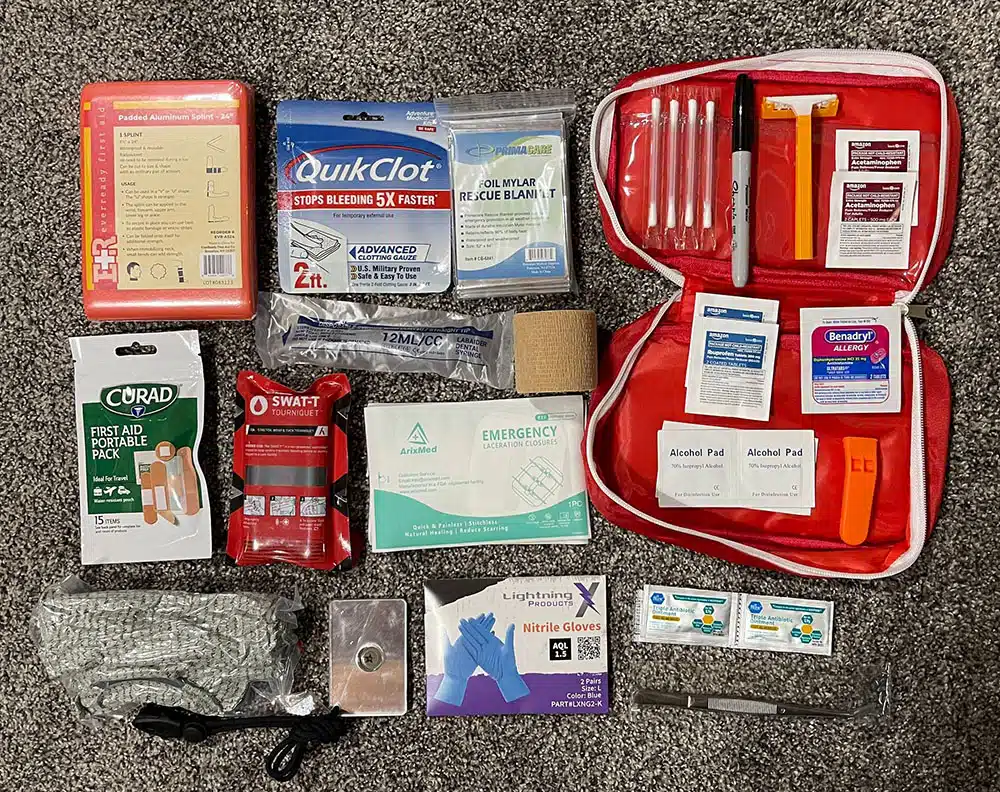
This is the emergency trauma kit that will be provided/checked out to our Coaching/Teaching Guides and are be carrying on any ElkBros Adventures hunts. This kit has items purchased separately and packaged by to handle emergencies as part of our Wilderness Emergency Plans (Download and keep these in a file on your cell phone):

Martinez(48) Extraction Plan                      Chase(55A) Extraction Plan

You will notice some of the items have links below. emergency items are no good if you don’t know how to use them. If you have never used them, or need a refresher, watch their associated video. We will also have one Trauma Kit at Adventure basecamps, at a designated location in case of emergency.

Your trauma kit weighs 1 pound 5 ounces and contains the following:

LATEST SUCCESS SQUAD CONTENT

Elk Herd Analysis - Mental Checklist

What follows is a clean, field-usable mental checklist that our hunters can literally run through when things get confusing, quiet, chaotic, or high-pressure. It’s designed to slow the mind without slowing action. Think of this as a decision filter, not a rigid rulebook. 

Stop. Observe. Interpret. Decide.

STEP 1: WHERE AM I IN THE SEASON?

(This frames every decision that follows.)

      • Pre-rut / Early season
      • Peak rut
      • Post-rut
      • Late season / survival mode

Ask Yourself:
“What should elk be prioritizing right now—food, breeding, recovery or security?”

STEP 2: WHICH ELK AM I DEALING WITH?

(Not all elk = same response.)

      • Cow group
      • Satellite bulls
      • Herd bull with cows
      • Mature lone bull

Ask Yourself:
“If I were this elk, how would I react to pressure, calling, or movement?”

STEP 3: WHAT DID THEY JUST TELL ME?

(Elk always communicate—verbally, visually or through an action.)

      • Bugled aggressively
      • Location bugle only
      • Chuckled from a distance
      • You bumped elk.. moved out slow & unsure
      • You blew out elk.. winded you

Interpret—not emotionally, logically:
“Was that confidence, curiosity, timidness, uncertainty, reactionary, fear, or routine movement?”

STEP 4: PRESSURE CHECK (THE MOST SKIPPED STEP)

(Pressure dictates behavior more than rut does.)

      • High or Low use area
      • Other hunters nearby
      • Recent boot tracks / ATV / camps
      • Easy access nearby
      • Midday or evening pressure spike

Ask Yourself:
“Is this a high use or low use area of human activity? Where does this herd go when humans show up? ”

STEP 5: WHAT ARE ELK PRIORITIZING RIGHT NOW?

(Rank these in order.)

      • Security
      • Feed
      • Cows (Breeding)
      • Water

Rule:
Elk often abandon the lower priorities to protect the higher ones.

STEP 6: WHAT TIME OF DAY IS IT—AND WHAT DOES THIS HERD DO NOW?

(Not what elk do—what this herd does.)

      • Early morning transition
      • Midday bedding window
      • Afternoon staging
      • Evening movement

Ask Yourself:
“Does this herd typically move, lock down, or relocate at this hour?”

STEP 7: TERRAIN REALITY CHECK

(Reality and observation tells you more than maps.)

      • Wind direction & thermals
      • Escape routes available or favored 
      • Bedding area quality
      • Travel corridors vs dead ends

Ask Yourself:
“If pressured right now, where is the next safest, quietest place they can reach to meet their needs & priorities?”

STEP 8: CALL, MOVE, OR WAIT? (ONLY THREE OPTIONS)

(Anything else is just overthinking.)

      • Call — if I can create an encounter through their confidence, aggressiveness or curiosity
      • Move — if location beats interaction
      • Wait — if patience lets elk make the mistake

Rule of thumb:
If you have a response or visual & don’t know which one to do–If not within striking distance, move & close as much as vegetation, terrain and conditions allow… review your 3 options.
If still not sure–wait and observe… continue to weigh options.


STEP 9: DID I CHANGE THE HERD’S BEHAVIOR?

(Your last move mattered. Evaluate it.)

      • More vocal?
      • Shut down?
      • Relocated?
      • No reaction?

Ask Yourself:
“Did my action increase opportunity—or reduce it?”

STEP 10: WHAT’S MY NEXT BEST MOVE—NOT MY EMOTIONAL ONE?

(This is where kills happen.)

      • Shut up and let him come.
      • Call to redirect
      • Stay tight and hunt slow
      • Parallel and move ahead and into
      • Loop ahead and cut them off
      • Get on level / Drop elevation / gain elevation
      • Abandon and relocate

Tell Yourself:
“Know when to hold them, know when to fold them. But always put yourself into the best odds of an opportunity”

ONE-SENTENCE RESET (Use Anytime Things Go Sideways)

Continually tell your self this:

“Elk don’t disappear—they reposition based on CURRENT needs/priority, pressure, conditions, and safety.”

Re-evaluate and go HUNT!

LATEST WEBINAR EVENTS

Elk Calling II, Set-ups & Responses - Coach Joe Giglia

Playlist

10 Videos

"Ensure Success... Avoiding Physical Failure Points!" - DR. PRESTON WARD

The webinar focused on elk hunting training and preparation, with introduction of Dr. Preston Ward whom specializes in hunter fitness.
The discussion covered various aspects of physical preparation including strength training, cardiovascular fitness, flexibility, and specific exercises to prevent injuries, with emphasis on proper form and technique for different exercises. The discussion also covered high-altitude hunter preparation, rucking techniques, and training programs, while highlighting the importance of early preparation, customized training plans, and proper recovery protocols to ensure safe and successful hunting.

  • MTN PHYSIO 365 APP – 30% Discount Code: ELKBROSAPPPurchase Here
  • ULTIMATE BACK COUNTRY TRAINING GUIDE Download Here  (scroll down, enter email)
CLICK HERE - Webinar Summary Notes

ElkBros Tip - Your Coach's Basic Hunt Strategy

Elk Hunting Preseason Training Plan

The meeting began with introductions and a discussion about training for elk hunting. Joe emphasized the importance of early preparation and proper training to avoid injuries, warning against the urge to rush training in the weeks before a hunt. He introduced Preston Ward, a physical therapist specializing in hunter fitness, who shared his background in working with hunters to prevent and treat injuries. The discussion focused on the concept of preseason training, with Preston explaining that there is no off-season for hunters and outlining a 90-day training plan leading up to the hunting season.

Backcountry Hunting Fitness Assessment

Preston emphasized the importance of objective data in assessing physical readiness for backcountry hunting, introducing a free mobility assessment tool and a comprehensive 25-test scoring system. He shared that hunters scoring in the 80-90 percentile on this system had higher success rates, consistently harvesting 4 out of 5 animals on public land. Joe provided information about a Mountain Physio 365 app with a 7-day trial and 30% discount, offering structured workouts tailored to hunting needs. Preston encouraged participants to use the assessment tool to evaluate their baseline fitness levels through tests like push-ups, step-ups, and ruck tests, which would help identify areas for improvement and reduce injury risk.

Elk Hunting Fitness Strategies

Preston discussed the importance of strength training for elk hunting, emphasizing sustainable exercises like band workouts and posterior chain strengthening. He highlighted the need for cardiovascular training and flexibility, particularly for bow hunters. Joe and Preston agreed that many people misunderstand what "strengthening" means for hunting, and emphasized the importance of tailored programs and proper technique. They also discussed the benefits of rowing and shoulder exercises for archery, and advised against carrying heavy packs during hunting trips.

Hip and Knee Pain Prevention

Preston and Joe discussed exercises to prevent and address hip and knee pain, emphasizing the importance of strengthening the glutes and posterior chain. They shared exercises like side planks, monster walks, and Bulgarian split squats, as well as hip-specific drills like fire hydrants and hurdle warm-ups. Preston highlighted that many knee issues stem from weak hip muscles. They also discussed the importance of proper form during lunges and step-ups to avoid knee compression and patellofemoral pain.

Back Strengthening Exercises for Hunters

Preston discussed exercises to strengthen the back and prevent injuries, focusing on deadlifts, payoff presses, and bridges. He emphasized the importance of proper form, particularly keeping the chest forward during deadlifts to engage the glutes rather than the back. Preston suggested starting with 30-50 pounds for deadlifts and recommended exercises like planks and reverse planks for core strength. They also stressed the need for sustainable, consistent workouts to maintain strength throughout the hunting season and prevent injuries.

High-Altitude Elk Hunting Preparation

The group discussed strategies for preparing for high-altitude elk hunting. Gilbert shared a humorous anecdote about using Walmart bags as a makeshift altitude training mask, while Preston provided medical advice about acclimatization and recommended high-intensity interval training (HIIT) to build lung efficiency. Joe explained how to implement HIIT workouts by simulating incline climbs and emphasized the importance of gradually increasing the number of repeats to improve recovery time at altitude. Jonathan suggested using altitude masks and incline training on treadmills, while noting that it typically takes about three days to fully acclimate to high altitudes.

Hunting Ruck Training Guidelines

The group discussed rucking techniques and weight recommendations for hunting. Joe advised packing a hunting pack with the weight of the items to be carried plus 5-10 pounds for training, and suggested wearing the pack during training to identify and resolve comfort issues. Preston recommended keeping pack weight under 35 pounds. Preston and Joes advised against overtraining close to the hunt or trying to "Catch Up", with Joe adding emphasis on proper hydration, nutrition, and sleep for recovery.

Customized Training for Hunters

Preston explained his two main training programs: a self-guided online workout program and a 90-day tailored training program with regular check-ins and assessments. He emphasized the importance of customized training for individuals with specific injuries, like Mike's neck and back issues, to prevent injuries and ensure safe progress. Preston also discussed the need for hunters to start training early, avoid overuse injuries, and maintain consistent practice with their equipment to be prepared for the hunt. The group discussed the frequency of training sessions, the importance of gradual progress, and the need to recognize and address potential failure points in hunting and training.

Part 1 - Dialing In! Season Shooting Prep & Hunt Proficiency Development

Part One with ElkBros Coach Guy Duplantier:
Our Responsibility & Purpose (Just set tone)
Effective killing range, Long shots to lock in lesser distances… not to take marginal shots… distance adds variables, Live animal vs static target
Gear & Setup Optimization
Bow tuning basics for consistent shooting (Review videos by Luis Gonzales), Thoughts on sights: single, or minimal vs. multi-pin strategies (simplifying the moment) Thinking ahead… Backup equipment: what to carry, what to leave. 
Shooting Mechanics & Accuracy
Building a repeatable shot process, Anchor point discipline under pressure, Grip, stance, and follow-through refinement… , Breathing and mental control during the shot

LATEST SUCCESS SQUAD CONTENT

"PRO TIPS" Archery Series with Coach Luis Gonzalez

Part 2 - Bow Tuning

12 Videos

"THE PROCESS" Arrow Set-Up Series with Coach Luis Gonzalez

Part 1 - Archery Concepts

8 Videos

"THE PROCESS" Bow Tuning Series with Coach Luis Gonzalez

Part 2 - Bow Tuning

9 Videos

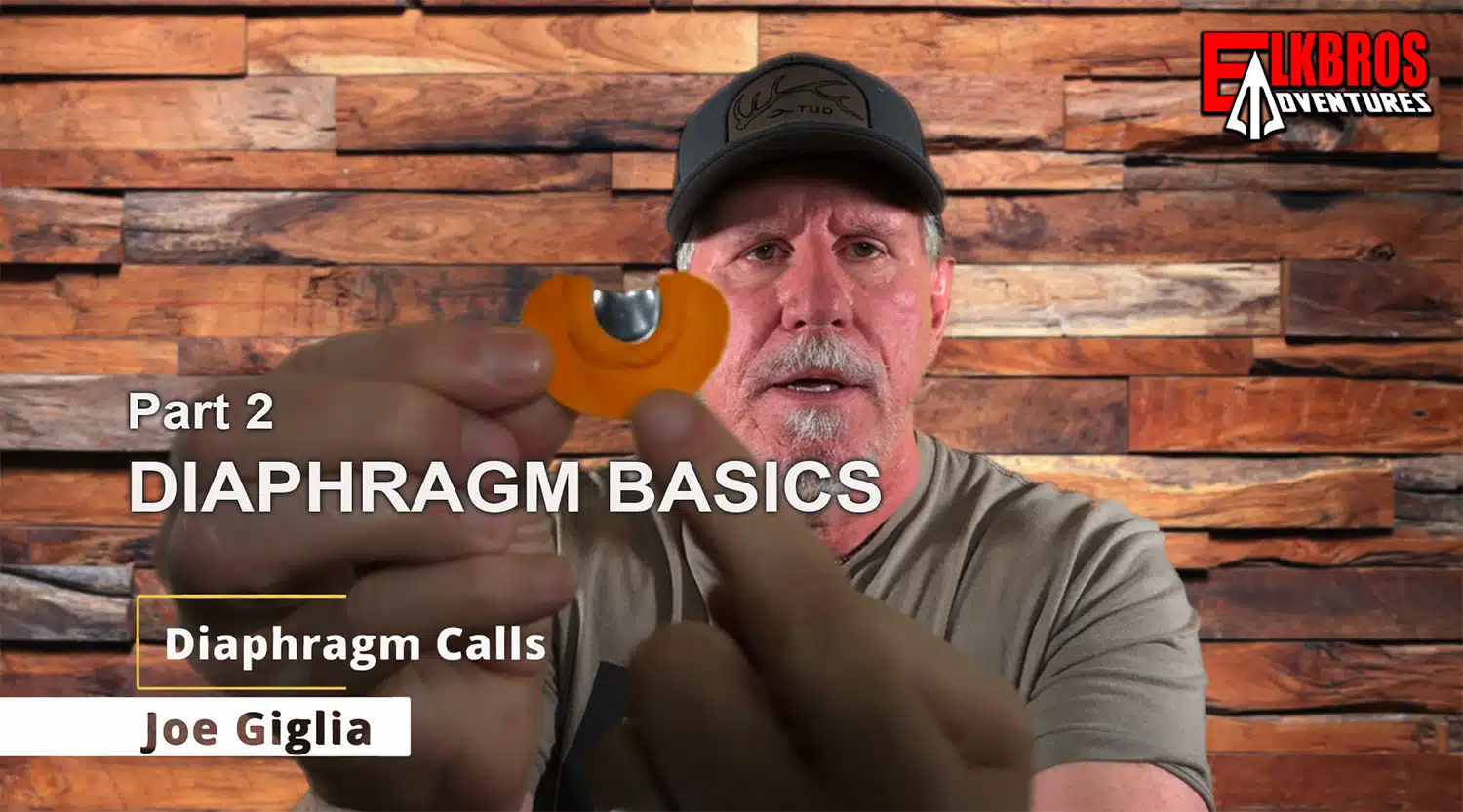
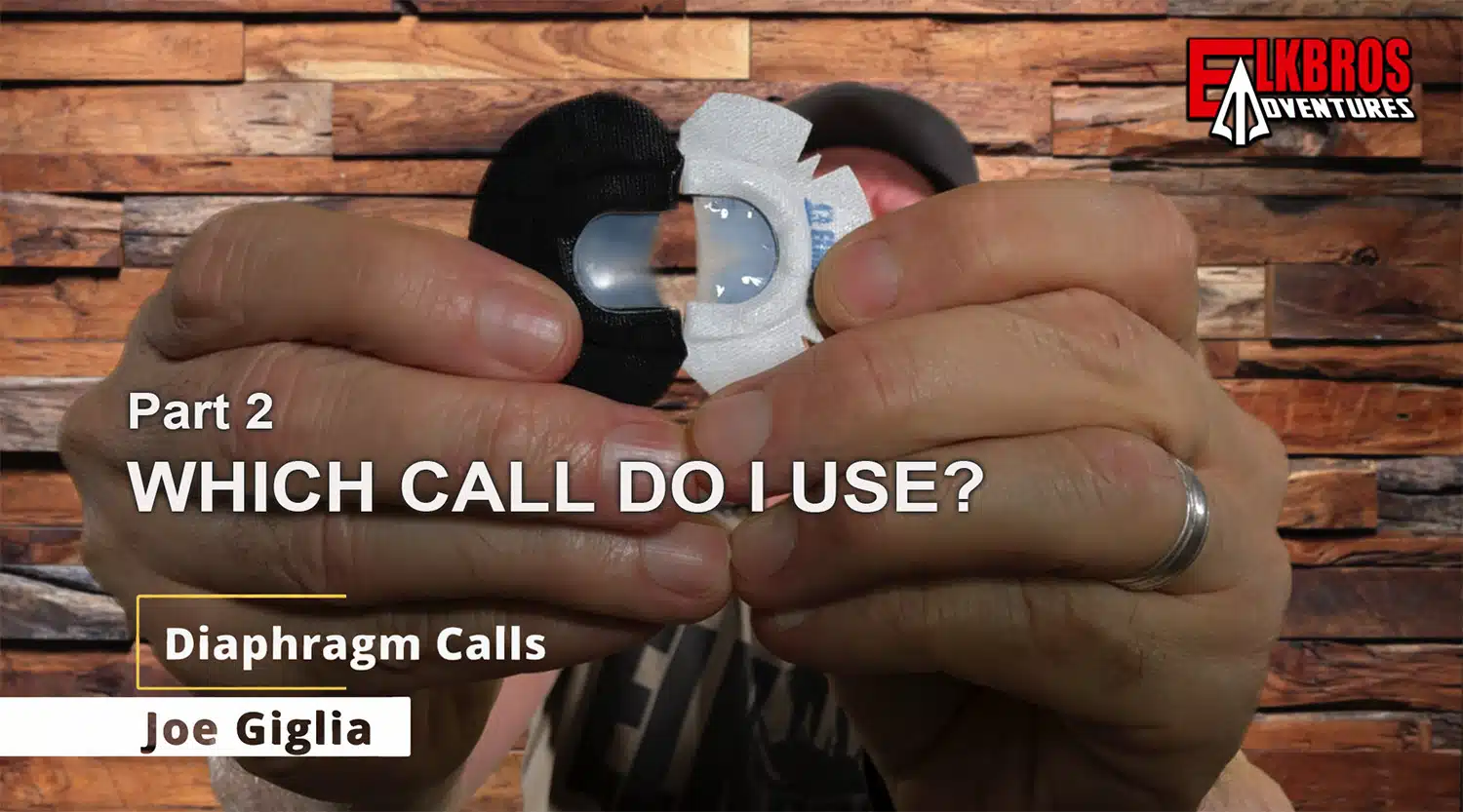
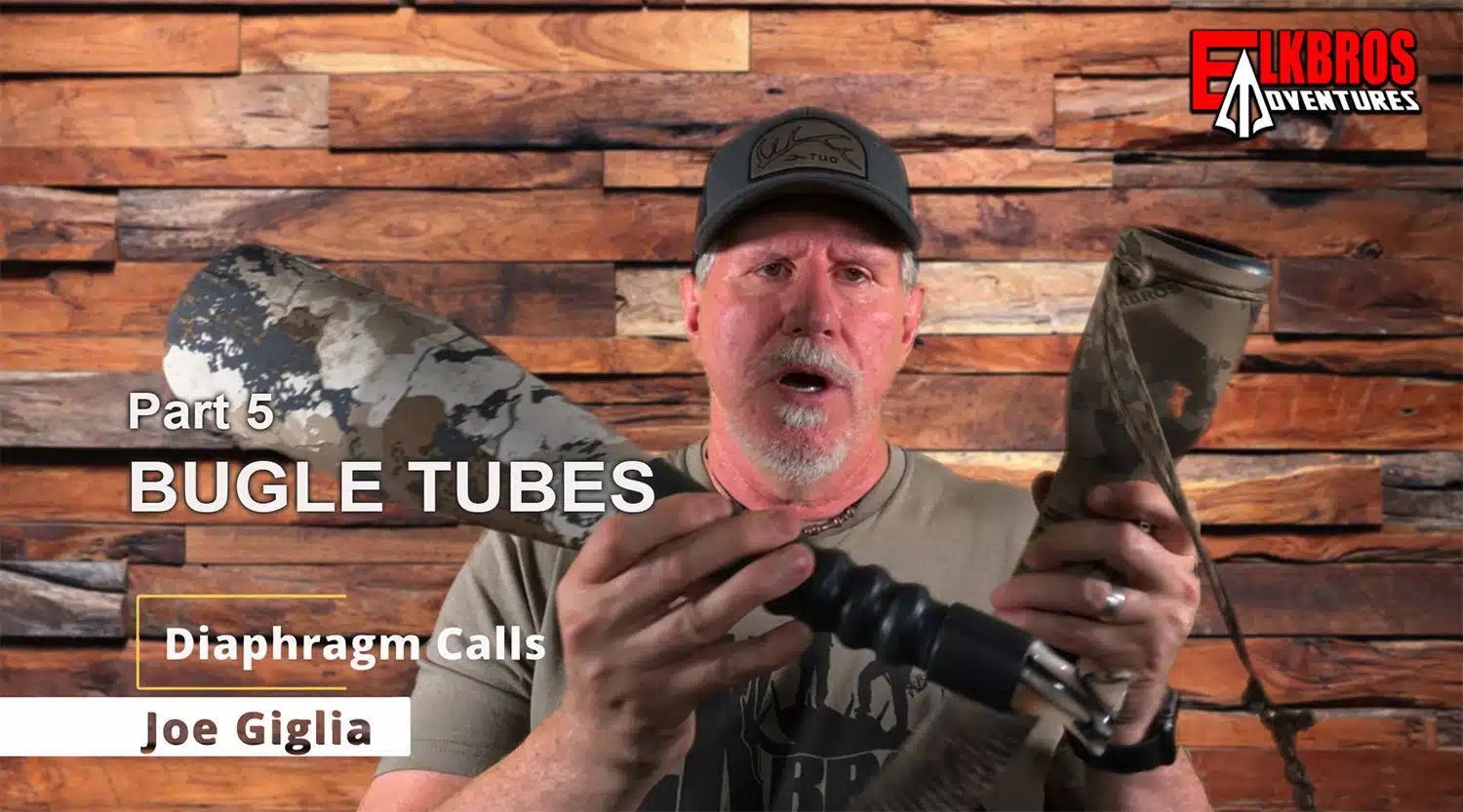
Series 1 - Diaphragm Calls

5 Videos
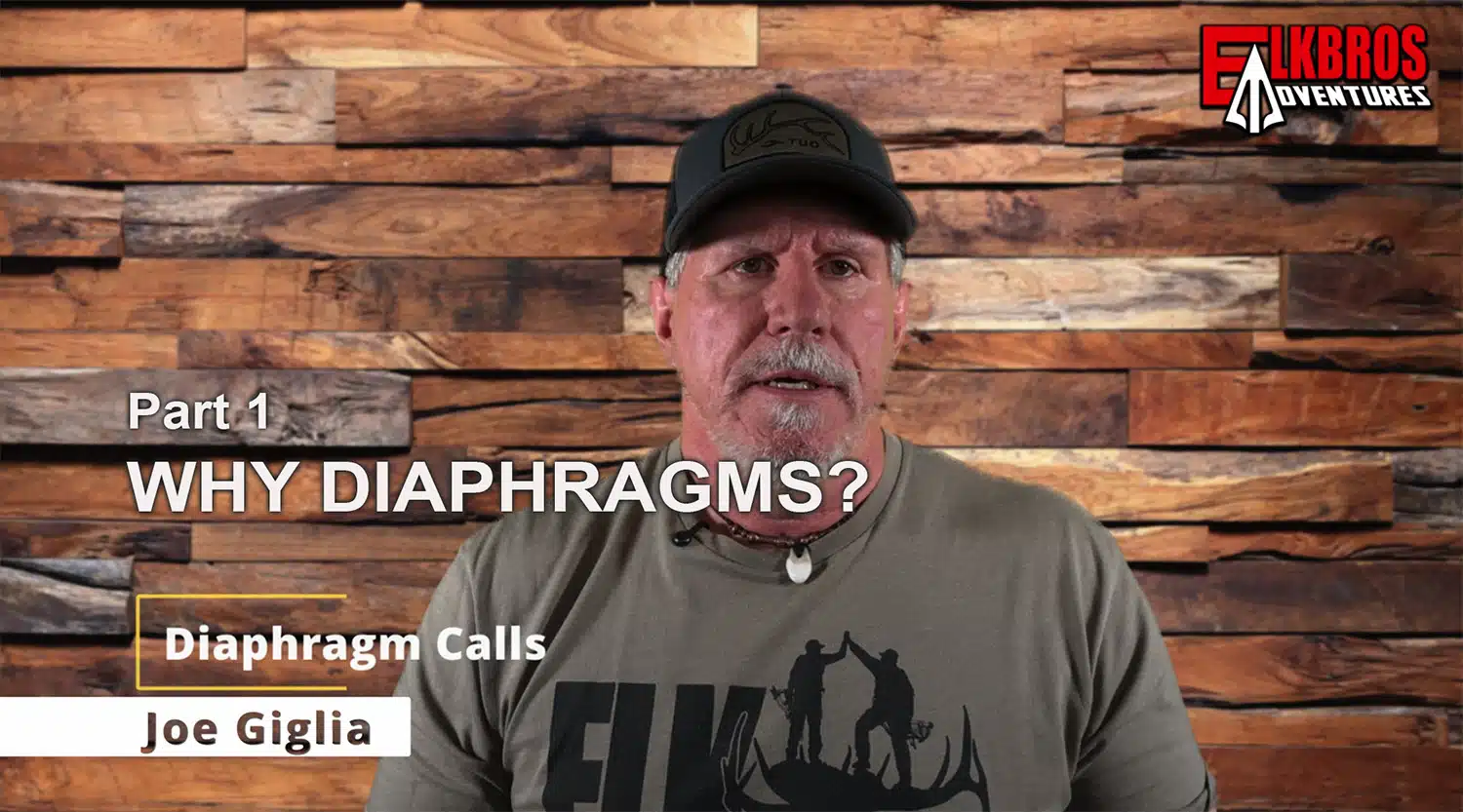
Calling Basics

13 Videos
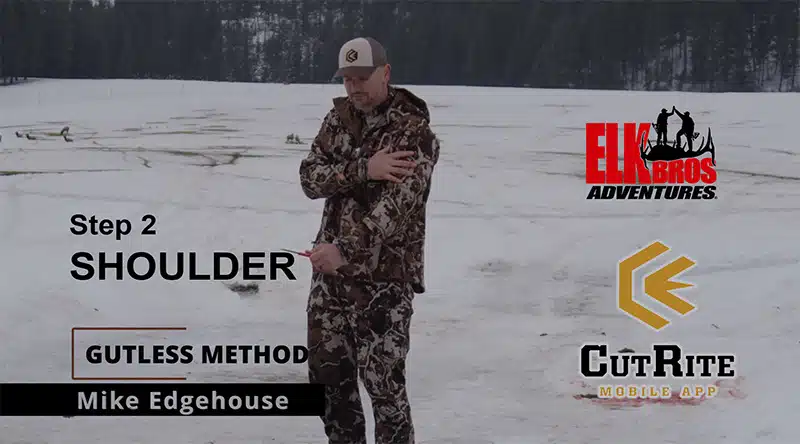
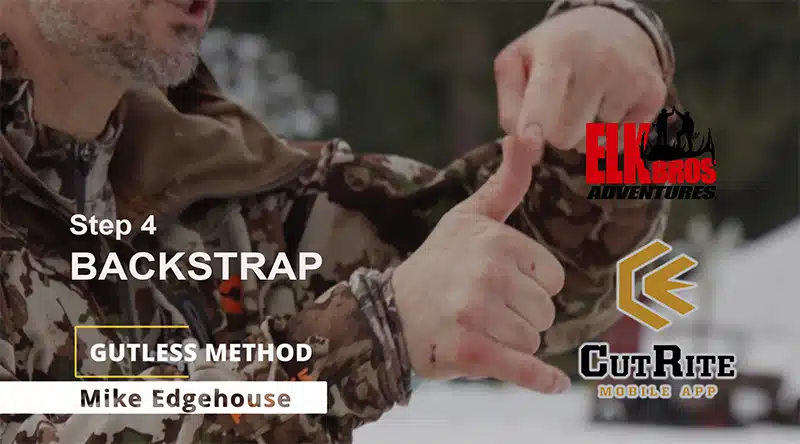
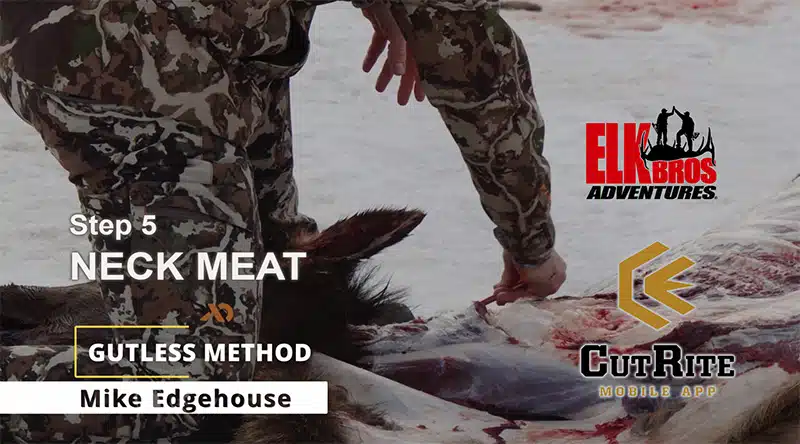
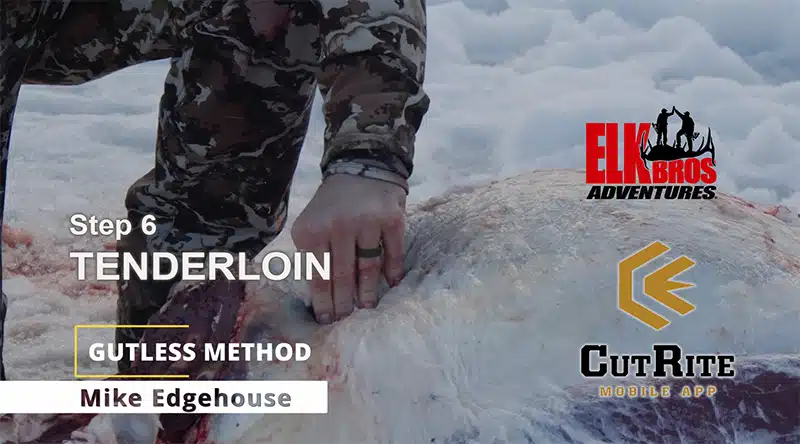
Gutless Method with Coach Mike Edgehouse

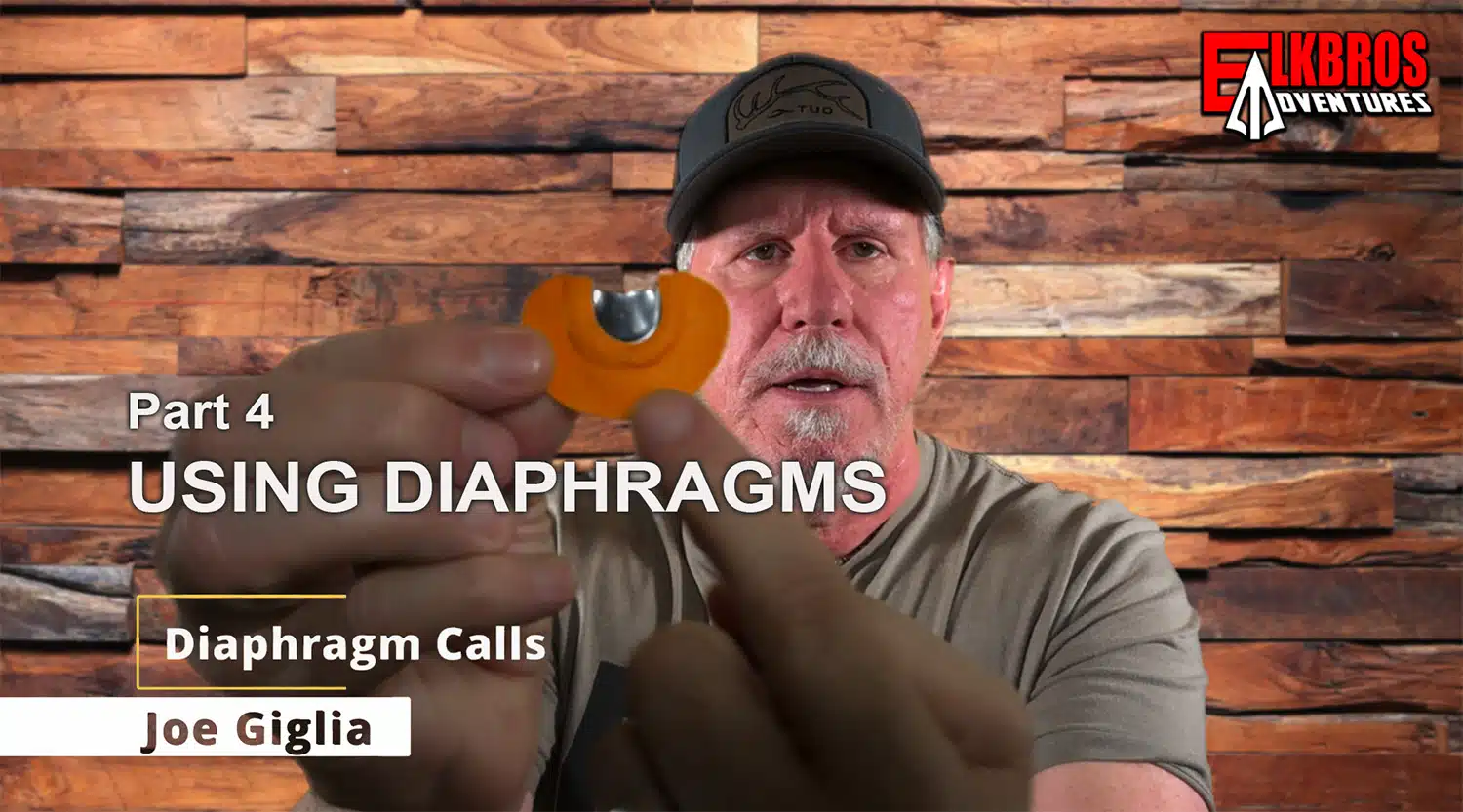
Series 1 - Diaphragm Calls

6 Videos
SHOOTING PREP
Very seldom, to almost never, will your shooting situation in the field be like shooting in your backyard or like at the archery or rifle range. The ground will be uneven, sloped, possibly loose with your target animal hardly ever on the same plane as you or with nothing between you and the target. When you are so fortunate, well that’s an easy. The rest, prepare for them as much as possible. And take pride in being able to take on any situation and make the shot!

BOWHUNTERS: Once you are dialed in at the range or in the backyard, start adding these with a small stable platform (multiples of different heights if possible) 1) Shoot while placing your shooting back foot on the platform. Try with the platform closer to your front foot, then further away. Then, if we said your front foot was west and your back foot east, try with the platform a little more northeast and then southeast. 2) Now do the same thing with the front foot. 3) Now shoot with both feet touching next to each other and then in an over-wide stance. 4) Whenever possible if you can find a way, work on shooting at upward and downward angles. Remember to keep your “T” in your shooting form. Do not raise or lower your shooting arm to achieve the angle. Instead, draw and get in form as if shooting straight ahead and bend at the waist to achieve the correct angle.

RIFLE HUNTERS: Again, after being dialed in, you need to practice like you will play as well. Practice shooting off-hand at 100 yards. If you have shooting sticks, shoot on them at the range. Practice shooting with them standing, on your butt, on one knee. Practice shooting prone off of your hunting pack with everything in it you hunt with. Locate more natural areas and practice with your weapon unloaded and your sticks again while standing, sitting, on one knee while on uneven ground situations. Slopes going up and down to each side. Slopes going up and down to your front and back. Practice getting set on different branches of a tree, on a rock or any kind of optional rest.  

GETTING TO ELK CAMP

HISTORIC CHASE RANCH

GOOGLE MAP LINK: Click Here

FROM ALBUQUERQUE:

  • (194 miles) Follow I-25 N to NM-58 W in Colfax County. Take exit 419 from I-25 N, Turn left on NM-58. 
  • (18.9 miles) Continue on NM-58. 
  • Turn right onto US-64 E
  • (1.3 miles) Turn left onto NM-204 (Chase Ranch Road)
  • (0.8 miles) Turn Left @ ElkBros Adventures Sign

FROM DENVER:

  • (224 miles) Follow I-25 S to US-64 W in Colfax County. Take exit 446 from I-25 S
  • Turn right onto US-64 E
  • (33 miles) Follow US-64 W
  • Turn right onto NM-204 (Chase Ranch Road)
  • (0.8 miles) Turn Left @ ElkBros Adventures Sign

Martinez Canyon Cow Camp

GOOGLE MAP LINKS:

Rendezvous / Vehicle Drop Location: CLICK HERE

Public Unit 48 Access: CLICK HERE

Martinez Cabin Location: CLICK HERE

FROM ALBUQUERQUE:

This takes you to the off-road turn off. From that point you will be following the OnX map track and waypoints below. 

  •  (50.4 miles) Follow I-25 N.
  • Take exit 276 for NM-599 S toward Madrid, Use the left 2 lanes to turn left onto NM-599 N
  • (13 miles) Use the left lane to take the US-84 N/US-285 exit toward Española
  • (22 miles) Merge onto US-285 N/US-84 W/US Hwy 285 N
  • (43.6 miles) Follow NM-68 N to US-64 E in Taos County.
  • Turn right onto Paseo Del Canon and stay on Paseo though 3 traffic circles.
  • (2 miles)Turn right on US-64 E
  • (18.9 miles) Follow US-64, Turn right onto NM-434
  • (10.8 miles) Stay on NM-434, stay straight onto NM-120
  • (4.6 Miles) Off-Road Turn off point, turn left.

FROM DENVER:

  • (224 miles) Follow I-25 S to US-64 W in Colfax County. Take exit 446 from I-25 S
  • Turn right onto US-64 E
  • (68 miles) Follow US-64, Turn left onto NM-434
  • (10.8 miles) Stay on NM-434, stay straight onto NM-120
  • (4.6 Miles) Off-Road Turn off point, turn left.

CAMP QUESTIONS & ANSWERS

For those looking for guidance, here are our suggested recommended lists for calibers and some possible scope options. Remember, elk are big animals and we coach for eliminating possible failure points. We always want a solid caliber & bullet combination that can get the job done efficiently. The most important is for you to know your weapon and how the two of you perform together. Be sure to practice with the same clothing and gear you plan to hunt with.

RECOMMEDED CALIBERS:

  • 7mm Mag
  • 30-06
  • 300 Win Mag
  • 300 PRC or Ultra
  • 300 Weatherby Mag

SCOPE THOUGHTS/RECOMMENDATIONS:

  • Quiggly Ford 3×9 or 4.5×14
  • Zeiss 3×9 or 4.5×14
  • Swarovski 3×9 or 4.5×14
  • Leupold 3×9 or 4.5×14
  • Vortex 3×9 or 4.5×14
  • Burris 3×9 or 4.5×14
  • Nightforce 3×9 or 4.5×14


TEAM DISCOUNT CODES:

Use the links at the bottom of the page to use discount codes:

  • ELKBRO50 – 50% Off – Tuo Gear Camo Systems
  • GRINDERCOACH – 50% Off – ElkBros Calls & Soloist
  • ELKBROS40 – 40% Off – Native by Carlton Elk Calls
  • ELKBROS40 – 40% Off – Tooth of the Arrow Broadheads
  • EBA PRO30 – 30% Off – Western Fly’s “Pursuit Poncho” and all other gear!
  • ELKBROS30 – 30% Off – CutRite Field Processing App
  • ELKBROS30 – 30% Off when you buy two boxes or more – Buck Wipes biodegradable scent free hunting wipes
  • 30%Off – Papertuner.com’s paper tuner package – ELKBROS30
  • ELKBROSSLAY20 – 20%Off – Slayer Elk Calls
  • EBVIP – 20% Off – Caribou Gear Game Bags and Gear
  • ELKBROS 2025 – 20% Off – The Bow Hitch
  • ELKBROS – 20% Off – Treeline Pursuits E-Scouting Masterclass
  • ELKBROS15 – 15% Off – Wapiti River Outdoors Calls
Additional codes coming!

ELKBROS SUCCESS SQUAD PAPERS

Click on Title

Shooting & Distance Imprinting practice tips from Coach Joe Giglia.


ADVENTURE CLUB DISCOUNTS

CLICK ON IMAGES BELOW TO VISIT. INCREDIBLE DISCOUNTS & CODES LISTED BELOW EACH BUSINESS

ELKBRO50 - 50%

ELKBROS15 - 15%

EBVIP - 20%

GRINDERCOACH - 50%

ELKBROS30 - 30%

ELKBROS 2025 - 20%

EBA PRO30 - 30%

ELKBROS40 - 40%

ELKBROS30 - 30%

ELKBROSSLAY20 - 20%

ELKBROS30 - 30% (2 Box Min)